Endodontics (Root Canal Treatment) in Fremantle, Perth
Endodontics focuses on the inside of the tooth, including the nerve and the root canal system. When bacteria reach this area, it can lead to a toothache, lingering sensitivity, gum swelling, or infection.
Root canal treatment aims to remove infected or inflamed tissue, clean and disinfect the canal space, and then seal the tooth to reduce the risk of reinfection. The goal is to help you keep your natural tooth wherever possible.
Tooth pain can have multiple causes, so we start with a careful assessment and, if needed, dental X-rays. Once we confirm the source of the problem, we will explain the recommended treatment and what you can expect.
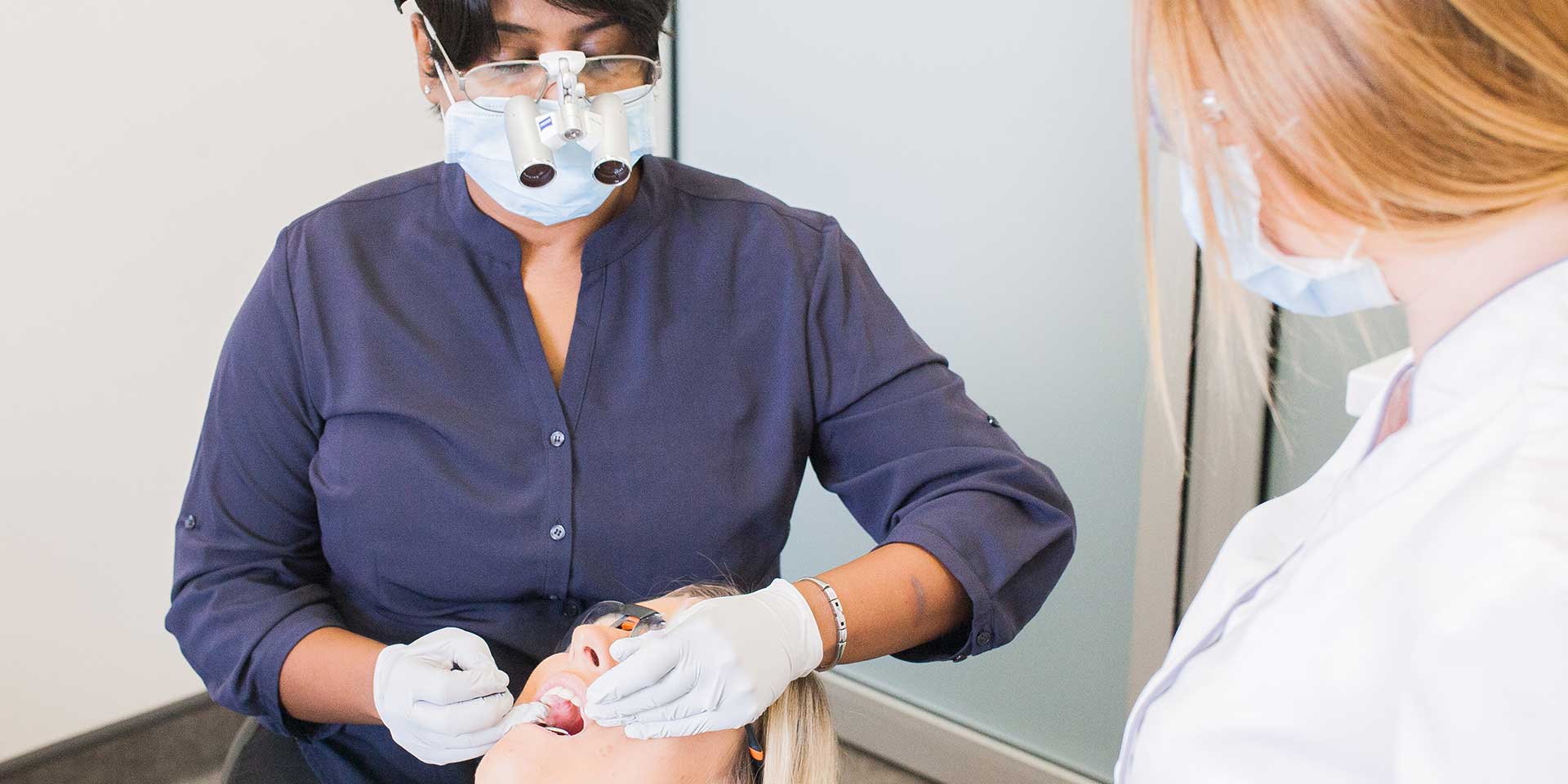
What is root canal treatment?
A root canal treats infection or inflammation inside a tooth. Instead of removing the tooth, we clean the root canal system, disinfect it, and then seal it with a dental filling material. After that, the tooth is restored so you can chew comfortably again.
For a plain language overview of root canal treatment, see the Australian Government’s Healthdirect guide.
Root canal treatment is commonly recommended when a tooth has deep decay, a crack, trauma, or a large filling that has irritated the nerve.
Does root canal treatment hurt?
We use a local anaesthetic so the area is numb during treatment. Some tenderness afterwards can be normal, especially when biting, and we will give you aftercare advice to keep you comfortable.
How many appointments will I need?
Some teeth can be treated in one visit, while others may require more than one appointment, depending on the tooth and the level of infection. We will talk through timing after we assess the tooth.

Signs you may need a root canal
Not every toothache needs a root canal, but some symptoms are worth checking sooner rather than later.
Common signs include:
- Toothache that lingers or worsens over time
- Pain when chewing or biting
- Sensitivity to hot or cold that lingers after the stimulus is removed
- Swelling or tenderness in the gum near a tooth
- A pimple-like bump on the gum, a bad taste, or discharge
- A tooth that darkens after an injury
If you are not sure what is causing your symptoms, we can assess the tooth and explain the options clearly.
Our root canal treatment process
Our focus is on gentle care, thorough cleaning, and long-term protection of the tooth. While every tooth is different, root canal treatment usually follows these steps.
- We numb the area and isolate the tooth so we can work cleanly
- We remove infected or inflamed tissue and clean the root canal space
- We disinfect the canals and seal them with a filling material
- We restore the tooth with a filling, and for some teeth, we may recommend a dental crown to help protect against fracture
After treatment, it is normal to feel some tenderness for a short period. We will provide aftercare instructions and let you know what is normal and what is not.
Tooth pain or swelling? Book an endodontic appointment
If you have tooth pain, gum swelling, or a tooth that has suddenly become very sensitive, we recommend booking an appointment so we can assess the situation and help you choose the next step.
We can talk you through what to do before your visit and help organise the next available appointment.
If you have significant facial swelling, fever, or difficulty breathing or swallowing, seek urgent medical care.

Common signs include a lingering toothache, sensitivity to hot or cold, pain when biting, swelling near the tooth, or a gum pimple. We confirm what is happening with an exam and X-rays.
Most people feel relief because the infection and inflammation are treated. We numb the area carefully and keep you comfortable throughout.
Many cases take one or two visits. It depends on the level of infection, the tooth involved, and whether the tooth needs a crown afterwards.
Infection can spread, pain can increase, and the tooth can become harder to save. Early treatment is usually simpler and more predictable.
The tooth is often more brittle after treatment, especially back teeth. We will talk with you about whether a crown is recommended to protect it.
When a tooth can be saved, keeping your natural tooth usually supports chewing, jaw health, and long term stability. We will explain your options clearly.